Blog Case study
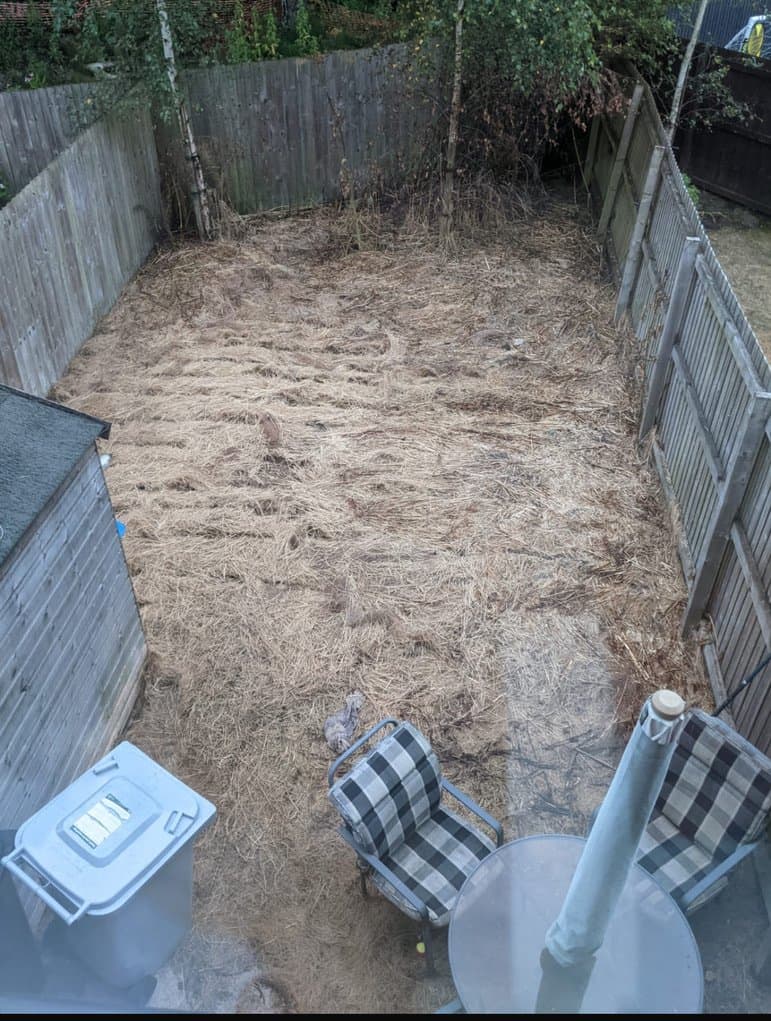
Congleton sits below The Cloud, where the Cheshire plain starts folding into the Pennines — which means more gardens like this one than the flat towns ever throw at us. Forge Lane was overgrown, steeply sloped, and effectively unusable before we started.
Assessing the Current State of the Garden
The first stage of any sloping garden project is understanding exactly what you’re dealing with before drawing anything — the gradient, the soil, where water naturally wants to go, and how much of the “overgrown” description is genuinely unmanageable versus just neglected. Forge Lane’s garden had been left long enough that clearing it was a job in itself before any design work could properly begin.
Designing the Level Areas
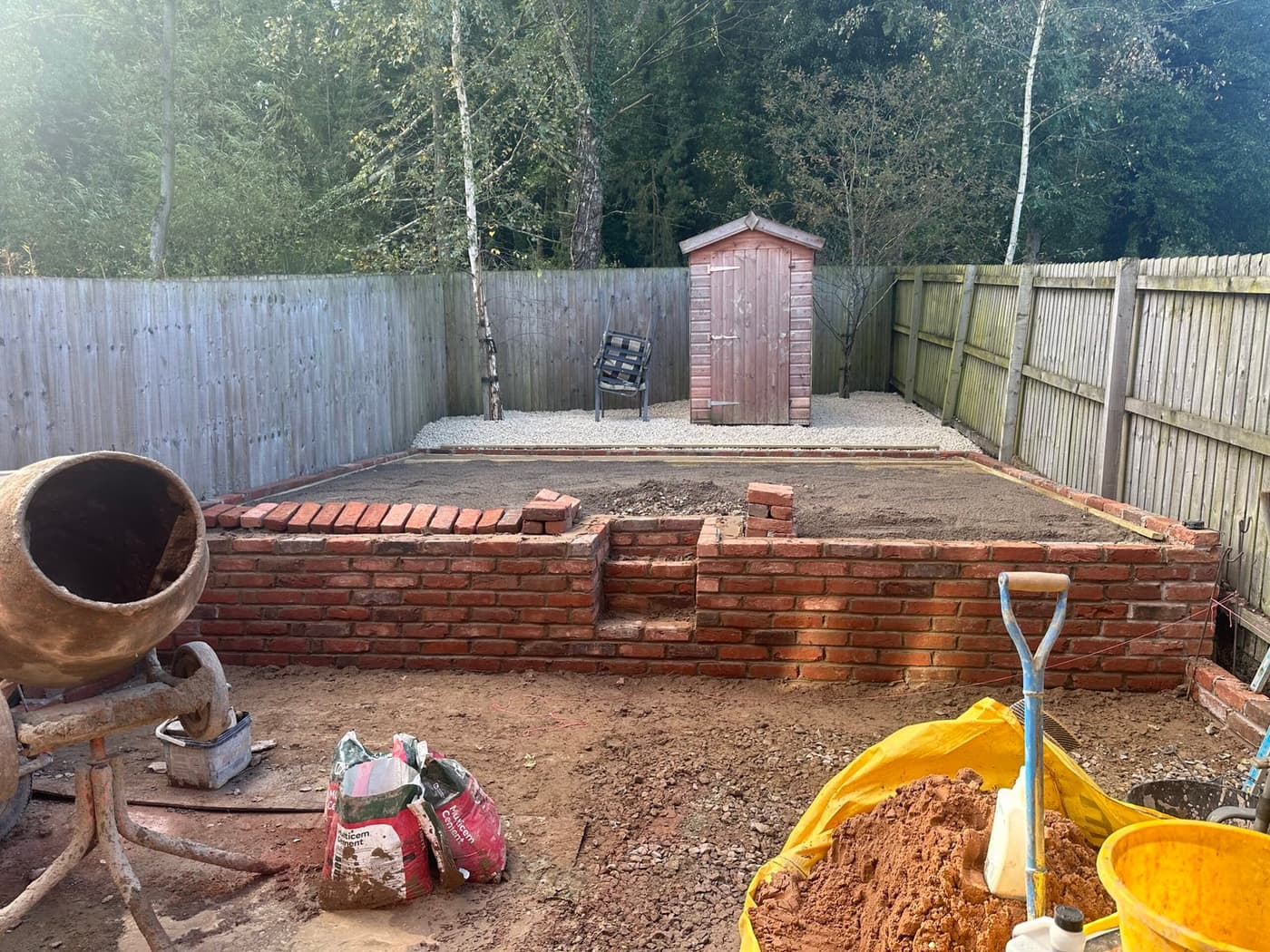
A slope this pronounced isn’t a garden you flatten in one go — it’s a garden you break into level sections connected by steps and retaining structures, each terrace doing a specific job rather than one continuous slope trying to do everything badly. We designed the levels around how the family actually wanted to use the space: a level area close to the house for everyday use, with the steeper ground beyond given over to planting that could handle the gradient without needing to be mown or maintained on a slope.
Building the Terraces
Terracing a slope properly means retaining structures at every level change, each one engineered to hold back the ground behind it through a Cheshire winter — not just a timber edge pushed into the bank and hoped for the best. Drainage was designed into every terrace rather than left to find its own way downhill, which on a slope this steep is exactly how you end up with a lower terrace permanently waterlogged from water shedding off the ones above it.
Choosing Plants That Actually Hold a Slope
The planting on the steeper sections of Forge Lane wasn’t chosen for looks alone. Species with deep, spreading root systems do genuine structural work on a bank — binding soil that would otherwise wash downhill after heavy rain, in a way shallow-rooted bedding plants simply can’t. That’s a different brief to planting a level border, and it shaped which varieties made the final scheme: ground cover that spreads and knits together across the slope, rather than isolated specimen plants with bare soil showing between them.
Getting this stage wrong is one of the more common reasons a “finished” sloping garden starts sliding again within a couple of seasons — the hard landscaping holds, but thin planting on the steep ground between terraces erodes anyway, undermining the structure from the sides rather than from below.
The Result
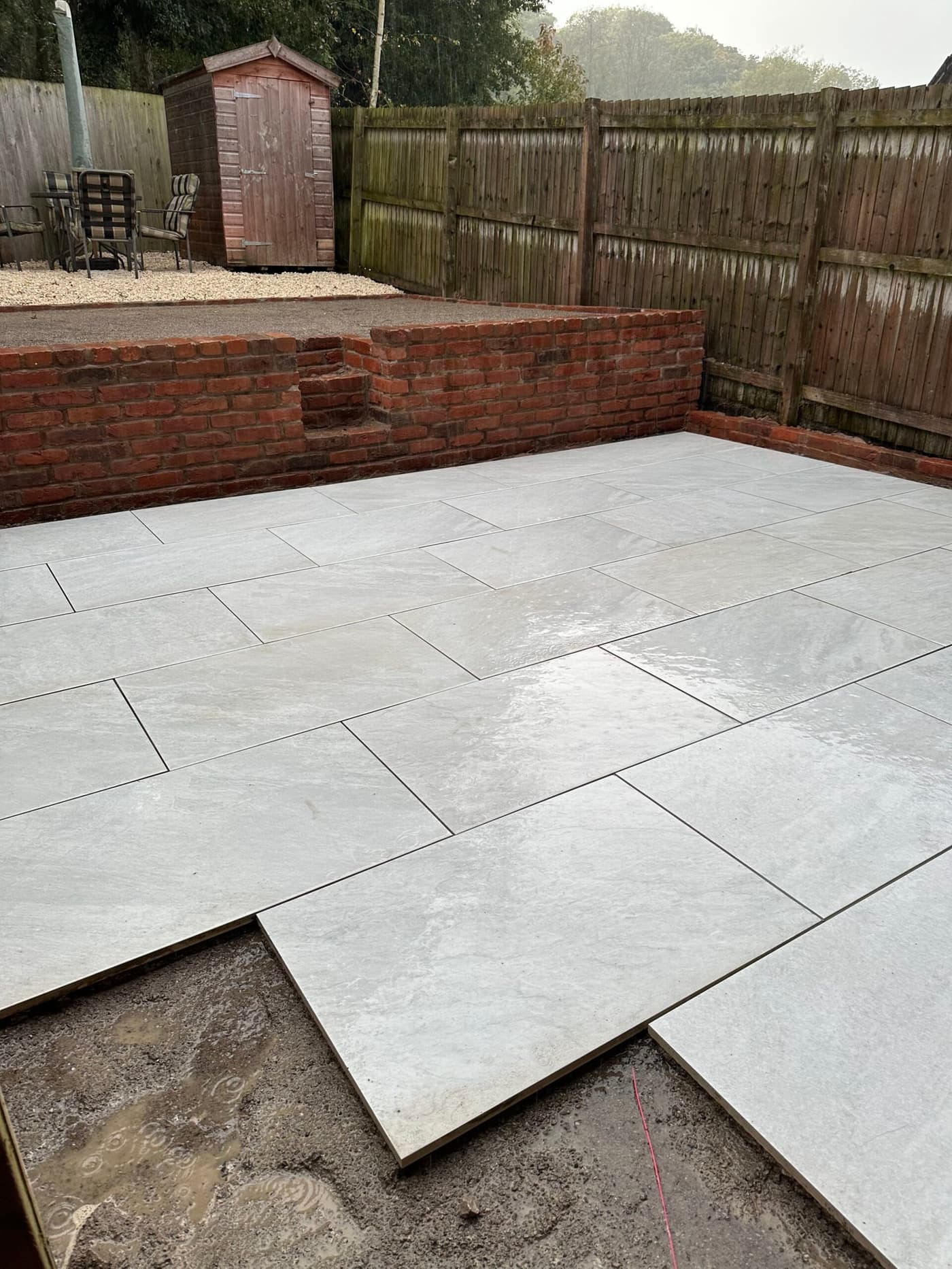
What was an overgrown, effectively unusable slope is now a garden with genuine level space close to the house and a structured, terraced garden beyond it, planted to hold its shape rather than just to look finished on handover day — a transformation that changes not just how the garden looks but whether it can be used at all. Sloping plots like Forge Lane are some of the most rewarding projects we take on precisely because the “before” and “after” aren’t a matter of taste — one is usable and one isn’t.
Living With a Sloping or Overgrown Garden?
If your own garden has been left to itself because the slope makes it hard to use, that’s usually a design and engineering problem rather than a permanent state of affairs. Our full garden makeover service and walls and stonework team handle exactly this kind of terracing and retaining work. Get in touch if you’re in Congleton or nearby and ready to talk about reclaiming a difficult plot.