Blog Case study
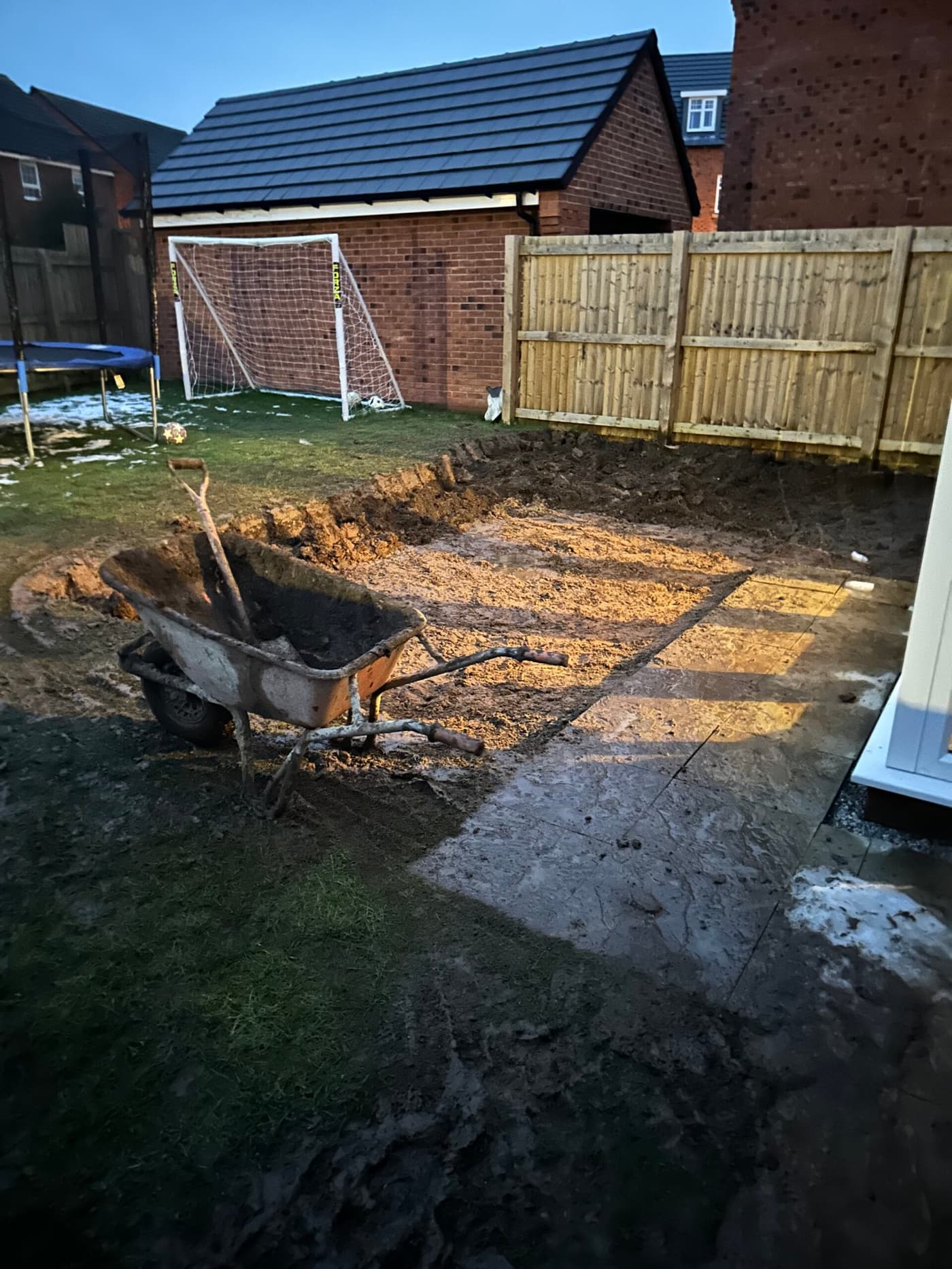
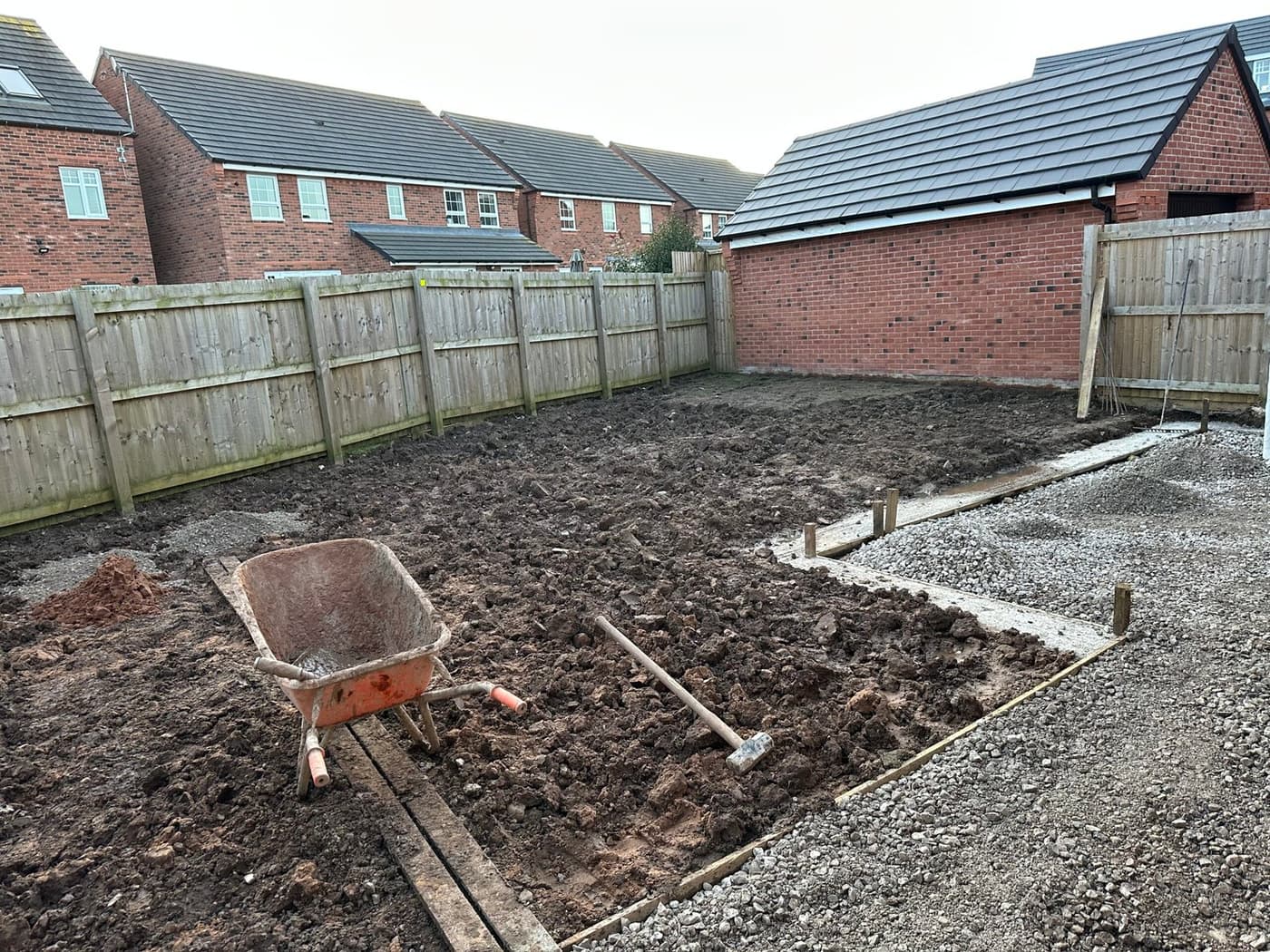
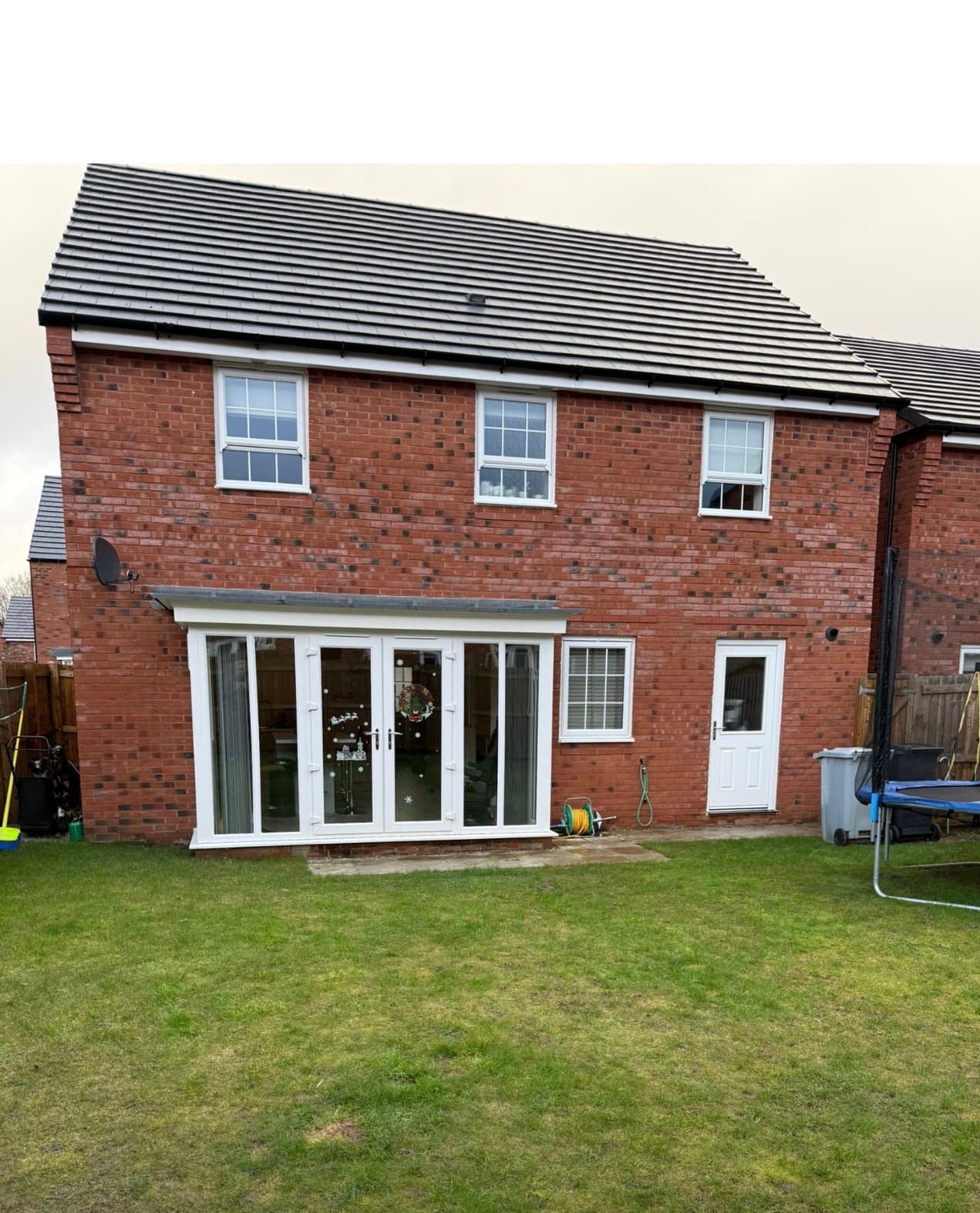
New-build gardens all start the same way in Cheshire: compacted clay, a temporary fence, and a blank canvas the builder has no interest in finishing properly. Ashcroft Drive, Chelford, was a textbook example — and a good demonstration of what it actually takes to turn that starting point into a garden worth having.
Why New-Build Gardens Need More Than a Roll of Turf
Builders hand over a garden as a finished sale item, but underneath the thin layer of topsoil is usually subsoil compacted hard by months of construction traffic — diggers, deliveries, and the footprint of every trade that worked on the house. Laying turf straight onto that without addressing it first is the single most common reason new-build lawns fail within their first year, whatever the quality of the turf itself. Ashcroft Drive needed the same fix every new-build plot needs: proper decompaction and drainage before anything green went down.
The Brief
The clients wanted a genuinely livable outdoor space built around a spacious porcelain patio — somewhere a family table could sit comfortably for meals and gatherings, with garden walls adding privacy and handling the site’s natural level changes, and quality topsoil and turfing giving the rest of the plot a proper lawn rather than the thin, patchy grass that often follows a new-build handover.
Porcelain was the clear material choice for the patio: durable, low-maintenance, and resistant to the staining and moss growth that can affect softer materials through a Cheshire winter. Its non-porous surface keeps it looking new for years with minimal upkeep — exactly what a family wants from the part of the garden they’ll use daily.
Addressing Garden Drainage and Lawn Preparation
New-build plots are notorious for one specific problem: subsoil compacted hard by construction traffic, sitting directly under a thin layer of topsoil that was never intended to support a proper lawn. Before any turf went down, the ground was decompacted and drainage addressed — skip this step, as too many new-build gardens do, and the “new lawn” is waterlogged and patchy within its first winter regardless of the quality of turf laid on top of it.
Ground Works
Groundworks for the patio followed the same principle: full excavation and a properly compacted sub-base before the porcelain went down, rather than laying straight onto the compacted clay the builders left behind. It’s the difference between a patio that stays flat for decades and one that starts moving within a couple of years — invisible in the finished photos, but the entire reason the visible part of the job still looks right five winters later.
The Result
Ashcroft Drive now has a proper family garden where there was previously bare clay behind a temporary fence — a generous porcelain patio for daily use, garden walls giving privacy and structure, and a lawn established on ground that was genuinely prepared for it. It’s one of dozens of new-build gardens we’ve turned from a building site leftover into a finished outdoor space, and the process is always the same: fix the ground first, then build the garden everyone actually sees.
What This Means for Anyone Buying a New-Build in Chelford
If you’ve recently completed on a new-build in Chelford or a similar development nearby, the garden you’ve been handed almost certainly has the same compacted subsoil and thin topsoil layer Ashcroft Drive started with — even if it’s been raked flat and looks presentable at first glance. It’s worth having the ground assessed properly before committing to turf or planting on your own timeline, rather than finding out the hard way after a first winter of standing water and patchy grass that no amount of reseeding fixes on its own.
Starting From New-Build Clay?
New-build gardens are one of our specialities — we know exactly what builders leave behind and exactly what it takes to fix it properly. See our full garden makeover and patio installation pages for the full process, or get in touch if your own new-build garden in Chelford or nearby needs the same treatment.